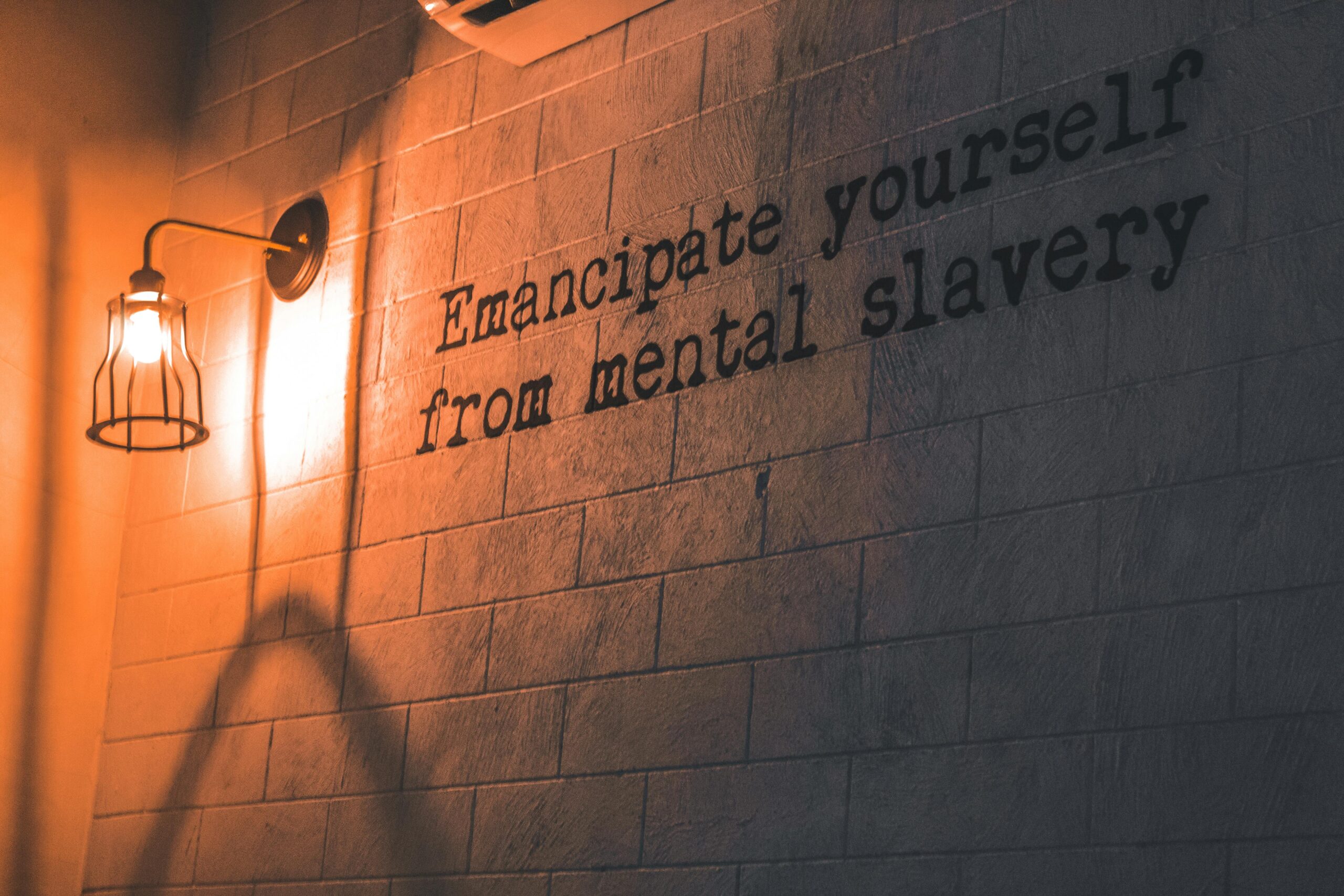
We like to think of slavery as a historical aberration, a grotesque past long since buried beneath emancipation proclamations and civil rights marches.
But if you truly believe that Black people are no longer on plantations, whether in America or former European colonies, you may not be thinking deeply enough about what the plantation has become.
Slavery did not end; it evolved.
The lash was replaced with contracts, the shackle with algorithms, and the auction block with streaming platforms and boardrooms.
What changed was not the system’s desire to profit from Black labour and creativity, but the sophistication of its methods.
Now, Black bodies and brilliance are packaged, marketed, and sold in exchange for a taste of the “good life,” a slice of the empire that still sees you as expendable once you’re no longer useful.
Many are seduced by the visibility, the platform, the crumbs of wealth handed out in endorsement deals, performance contracts, or viral fame. But those crumbs often come at the cost of ownership, legacy, and freedom.
When your creativity is bought and resold for more than you ever made from it, the plantation has simply upgraded its tools.
If you think this is dramatic, ask yourself: Who owns the means through which Black creativity is consumed? Who profits the most? Who decides when you’re no longer valuable?
Until we collectively address the systems that continue to exploit Black labour, both physical and intellectual, we are not post-slavery. We are in its next chapter.
Slavery is theft – theft of a life, theft of work, theft of any property or produce, theft even of the children a slave might have borne. Kevin Bales