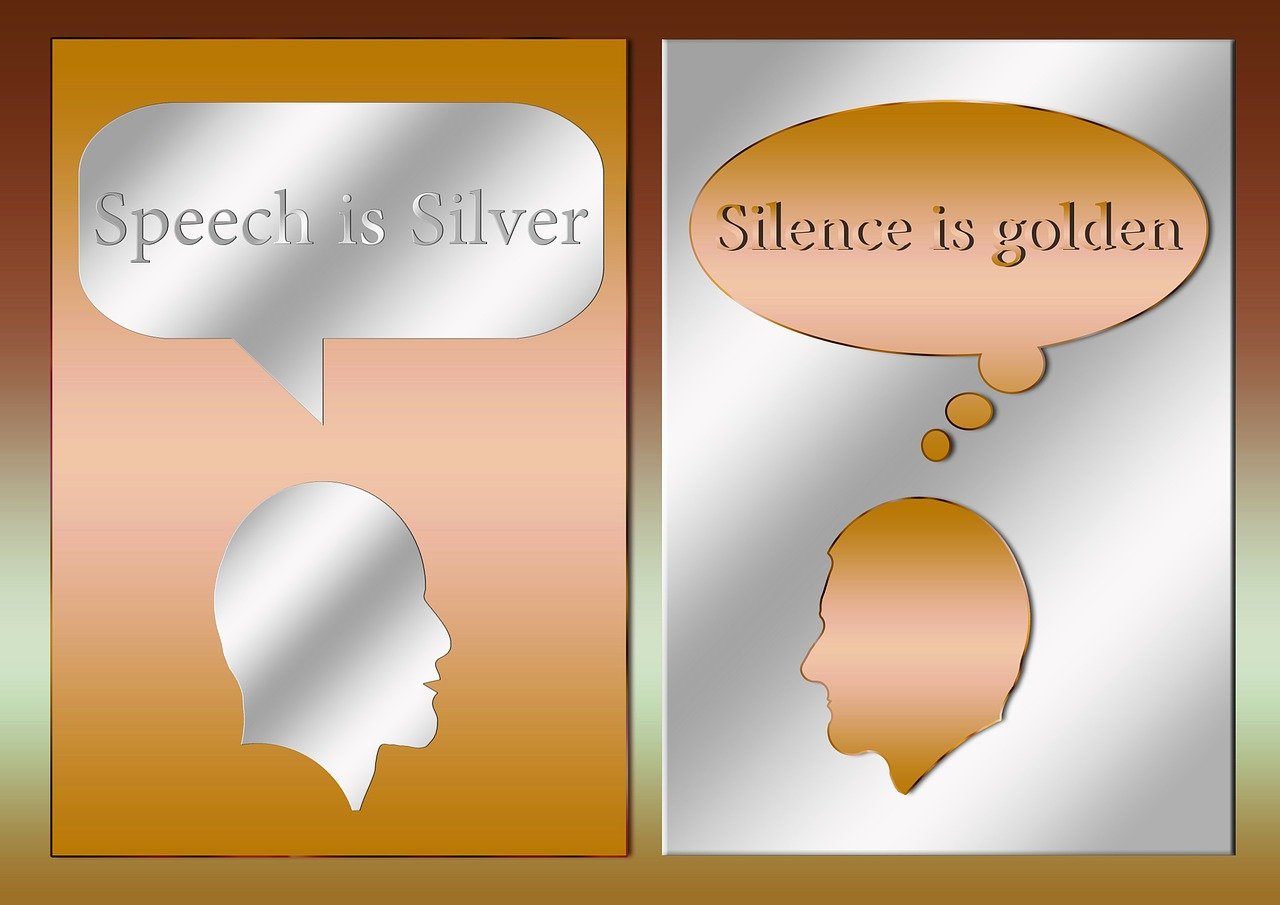
Silence is often misunderstood. Many see it as passive or weak, but in reality, silence is one of the most powerful responses you can choose especially when faced with disrespect. It’s not about avoiding conflict; it’s about controlling the narrative and protecting your peace.
Why Silence Matters
When someone disrespects you, the natural urge is to react defend yourself, argue, or retaliate. But reacting impulsively often gives away your power. Silence, on the other hand, sends a clear message that you refuse to let their behaviour dictate your response. It’s a sign of strength, maturity, and emotional intelligence.
Silence isn’t empty. It speaks volumes, it says:
- I value my energy more than your negativity.
- I won’t engage in a battle that doesn’t serve me.
- I choose peace over chaos.
People expect a reaction when they provoke you. When you don’t give them one, it creates discomfort. They’re forced to reflect on their actions because they can’t feed off your energy. Silence denies them control and shifts the power back to you.
Short Story
There have been countless moments where I’ve chosen silence over speaking, especially when conversations start spiralling in circles or when I realise the other person is too self-absorbed to truly listen. Instead of draining my energy trying to be heard, I step back.
One vivid memory stands out: someone close to me allowed a burglary to happen at my home. Every part of me wanted to scream, shout, and retaliate to make them feel the pain they caused me. But my heart was too heavy for words.
As time passed, I realised they weren’t worth my energy or peace of mind. So, I walked away quietly. That silence became my shield; it preserved my dignity, composure, and self-control.
It wasn’t easy. In fact, it was one of the hardest things I’ve ever done. I don’t even know where the strength came from. But looking back now, I’m grateful I chose silence. Sometimes, silence speaks louder than any words ever could.

Practical Tips for Using Silence Effectively
1. Pause Before Responding
When disrespected, take a deep breath and pause. This moment of silence helps you process emotions and prevents impulsive reactions. Even a few seconds of calm can change the tone of the conversation.
2. Use Strategic Silence
Silence doesn’t mean ignoring forever. Sometimes, a well-timed pause during a heated discussion can de-escalate tension and make the other person rethink their words.
3. Pair Silence with Body Language
Your silence should be intentional, not awkward. Maintain confident body language stand tall, make eye contact, and keep a calm expression. This reinforces that your silence is a choice, not fear.
4. Set Boundaries Without Words
Silence can be a boundary. If someone repeatedly disrespects you, withdrawing your attention sends a clear message that you won’t engage with this behaviour. Over time, people learn what you tolerate and what you don’t.
5. Reflect Before Re-engaging
After choosing silence, decide if the situation deserves a response later. Sometimes, addressing the issue calmly after emotions settle is more productive than reacting in the heat of the moment.
When Silence Isn’t Enough
Silence is powerful, but it’s not always the solution. If disrespect becomes a pattern or crosses into abuse, speak up or seek support. Silence should protect your peace not enable harmful behaviour.
A little Encouragement
Silence is not weakness it’s wisdom. It’s the art of saying more by saying nothing. When you master silence, you master yourself. And that’s the ultimate power.
“Not every battle deserves your voice; sometimes silence wins the war.”
